Cyber Security News
Start. Stay. Grow.
Curated daily. The latest hacks, breaches, and cyber trends—humanized.
Daily cyber brief
Hacking Editorial Brief — October 27, 2026
Ransomware Operators Exploit Zero-Day PAN-OS Vulnerability to Target VPN Access
Ransomware groups including Qilin and INC are actively exploiting PAN-OS vulnerability CVE-2026-0257 to bypass authentication and gain unauthorized VPN access, according to Unit 42 researchers at Palo Alto Networks. The authentication bypass flaw, disclosed in May 2026, is now being weaponized in intrusion campaigns targeting organizations running vulnerable firewall configurations. The exploitation enables attackers to establish initial access without valid credentials, though the full scope of affected organizations and successful compromises has not been disclosed. Separately, researchers report that attackers are exploiting a third Arista VeloCloud Orchestrator zero-day (CVE-2026-114625) in four months, a critical SQL injection flaw that Arista Networks has now patched. The sustained targeting of VeloCloud infrastructure suggests continued attacker interest in SD-WAN platforms as an intrusion vector.
Japan's GMO Internet Warns Customers to Disconnect Systems Ahead of Threatened Ransomware Attack
GMO Internet Group issued an unprecedented warning to customers to back up data and disconnect computers after threat actors demanded $50-51 million and threatened to deploy ransomware and leak customer information. The warning follows a breach of GMO's virtual desktop cloud service used for foreign exchange trading, with attackers claiming to have published customer data after ransom demands were not met. GMO's CEO publicly acknowledged the service had security vulnerabilities the company was slow to remediate. The scope of data exposure, number of affected customers, and verification of attacker claims remain unclear. Separately, threat actors reportedly breached Australian booking management provider RMS Cloud, affecting multiple holiday parks and customer data, and claimed access to crisis communications firm Sodali, though the extent of these compromises has not been independently verified. Researchers also observed threat actors exploiting Magento CMS blocks to inject JavaScript into compromised storefronts while evading malware detection, and attempting mass exploitation of PHP2Shell vulnerabilities to deploy Mirai botnet variants.
Sources: Unit 42 Palo Alto Networks · SecurityWeek · Bloomberg · The Register · Japan Times · ABC News · GBHackers · The Hacker News
Around the Web
Last Updated: N/A

Hacks + Heists
Critical PHP flaws could let hackers take over church websites
Congregations are urged to act now, even if someone else manages their site. Two critical security vulnerabilities in PHP, the programming ...
Read more →PHP Vulnerability Exploits Spark 'Black October' Cybersecurity Surge
With AI-driven hacking and large-scale cyberattacks surging this month, the cybersecurity industry has coined the term “black October.” According to ....
Read more →Active Exploitation of May 2026 PAN-OS CVE-2026-0257 (Updated October 20)
Ransomware operators including Qilin and INC are actively exploiting PAN-OS vulnerability CVE-2026-0257 to bypass authentication and gain unauthorized...
Read more →PHP2Shell Exploit Attempts Hit Millions as Attackers Try to Deploy Mirai Malware
Threat actors have been observed attempting to exploit newly disclosed PHP2Shell vulnerabilities (CVE-2026-109618 and CVE-2026-109619) to deploy a Mir...
Read more →LiteLLM Compromised in Supply Chain Attack Delivering Credential Stealer and Backdoor
The popular LiteLLM Python package was compromised and distributed via PyPI and Docker Hub with a credential stealer and backdoor, with the malicious ...
Read more →
Big Cyber
Ambulance Traffic Diverted, Clinical Appointments Cancelled and Classes Cancelled Due to ...
The University of New Mexico Health System is experiencing a cybersecurity issue at this time. UNM Health officials are actively working to ...
Read more →South Carolina launches program to protect rural hospitals from cybersecurity attacks
Project Lifeline 250 will help rural hospitals identify cybersecurity risks, strengthen their defenses and restore critical systems after an ...
Read more →Critical Flaw in Python's Popular Pillow Image Library Allows Code Execution via a Crafted Image
None of the flaws is known to be under attack. Cybersecurity. The weakness is the filename, not the picture. "The flaw is triggered by the filename, ....
Read more →Max-severity GitLab bug allows remote code execution over 12 years of releases
Vendor 'strongly recommends' upgrading to a fixed version 'as soon as possible'. Jessica Lyons Jessica Lyons Cybersecurity Editor.
Read more →
Hard Tech
React2Shell (CVE-2025-55182)
A 10.0 critical severity vulnerablility affecting server-side use of React.js, tracked as CVE-2025-55182 in React.js and CVE-2025-66478 specifically f...
Read more →Breaking Into a Brother (MFC-J1010DW): Three Security Flaws in a Seemingly Innocent Printer
We discovered three vulnerabilities that when chained together, allow for complete remote compromise:
Read more →Check Point - Wrong Check Point (CVE-2024-24919)
Gather round, gather round - it’s time for another blogpost tearing open an SSLVPN appliance and laying bare a recent in-the-wild exploited bug. This ...
Read more →Backdoor in XZ Utils allows RCE: everything you need to know - CVE-2024-3094
Detect and mitigate CVE-2024-3094, a critical supply chain compromise, affecting XZ Utils Data compression library. Organizations should patch urgentl...
Read more →Loading...
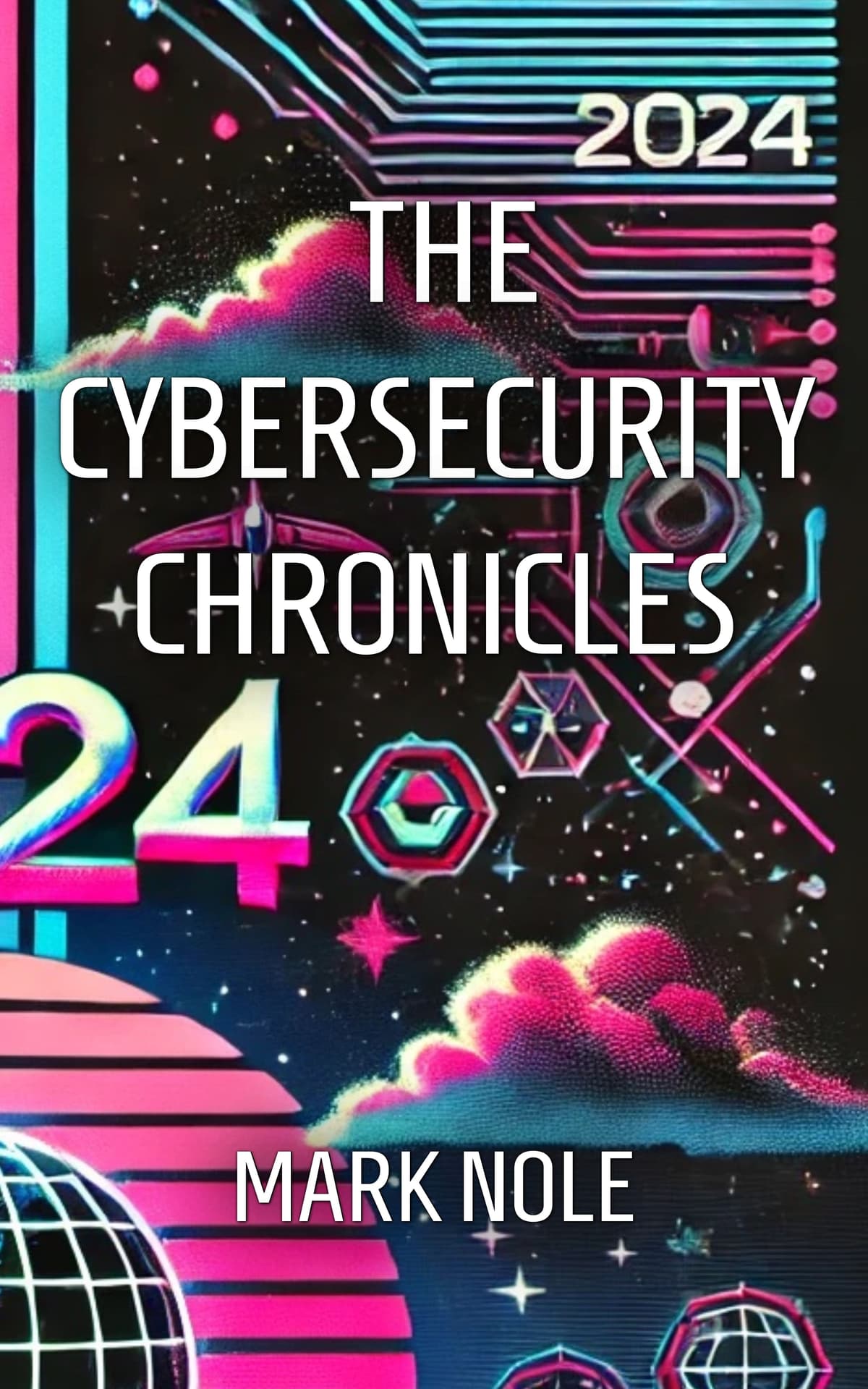
The Cybersecurity Chronicles
‘The Cybersecurity Chronicles: 2024‘ pulls back the curtain on the digital threats that shaped our world last year, revealing the human stories behind the headlines. From art galleries frozen by ransomware to prison tablets hacked with a minus sign, from British Library archivists racing to protect centuries of knowledge to Spotify users meticulously curating their digital identities – these stories illuminate how cybersecurity touches every aspect of modern life.
Author Mark Nole weaves together intimate portraits of the people on all sides of the digital battlefield: the defenders working through sleepless nights to protect critical infrastructure, the victims grappling with stolen identities and lost savings, and even the attackers themselves, operating from nondescript offices with project management software and performance metrics.
Through detailed reporting and narrative storytelling, Nole reveals how 2024 became the year when cybersecurity stopped being just a technical problem and emerged as a fundamentally human challenge. Whether you’re a security professional or simply someone trying to understand our increasingly digital world, these chronicles offer an unprecedented look at how technology shapes – and sometimes betrays – our trust, our privacy, and our lives.
Stay Updated with Cyber Security News
Get the latest cybersecurity headlines, breaking news, and expert insights delivered directly to your inbox. Stay ahead of threats and informed about the digital landscape.
Join thousands of cybersecurity professionals and enthusiasts. No spam, just valuable insights.